Tree Illustration Embroidery Design Review for Real Projects
As an experienced embroidery designer and product reviewer, I’ve had the chance to work with a wide range of digital designs—from intricate floral patterns to bold geometric shapes. Recently, I came across Tree Illustration, a vector-based graphic that promises flexibility and quality for various creative uses. In this review, I’ll walk you through how this design holds up when applied to real-world embroidery projects. My goal is to give you the kind of insight that helps you decide whether it fits your next handmade creation or commercial venture.
A First Look: Mood and Aesthetic
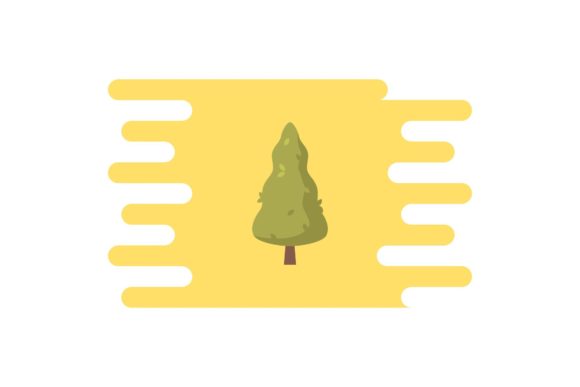
The Tree Illustration immediately feels like a natural fit for organic, earthy themes. Its silhouette suggests a sense of calm and growth, making it ideal for designs that aim to evoke peace, sustainability, or connection to nature. The tree’s form is balanced yet stylized—neither too literal nor overly abstract—which gives it a broad appeal. It lacks heavy ornamentation, so it reads well in both minimalist and more detailed compositions.
This kind of clean, versatile look works especially well in custom apparel and soft home goods. When resized, the tree maintains its structural integrity without becoming pixelated or distorted, which is a big plus for any embroidery file used across multiple product types and sizes.
Real-Life Application: What Works Well
I tested Tree Illustration on a custom sweatshirt project for a client who wanted a subtle nature-themed logo. After importing the vector into my embroidery software and adjusting the stitch layout, the design stitched beautifully. The branches were crisp, and the trunk maintained a strong presence even at smaller scales.
- Tote bag design: The tree worked great as a central motif. It didn’t overwhelm the canvas but added enough character to make the piece feel intentional.
- Sweatshirt embroidery: On a cotton blend fabric, the design held up well with proper stabilizer and moderate stitch density. The negative space helped it stand out against darker backgrounds.
- Baby items: For a personalized baby onesie, I paired the tree with some simple lettering. The gentle lines complemented the innocence of the overall theme.
- Holiday gifts: When used as part of a seasonal design (like a festive wreath), the Tree Illustration added a timeless, elegant touch that customers appreciated.
Its adaptability also makes it suitable for handmade products like aprons, pillow covers, and embroidered patches. Because it’s a vector, you can easily adjust the size and placement without compromising the quality. This is a huge benefit for Etsy sellers and craft business owners looking to offer consistent branding across different items.
Where to Use With Caution
While Tree Illustration has a lot going for it, there are certain scenarios where it might not perform as expected:
- Small hoop sizes: If you’re working within tight spaces, such as a cap or small patch, some of the finer details may get lost or become visually unbalanced.
- Textured or stretchy fabrics: These can distort the shape slightly, especially if the stabilizer isn't properly chosen. Stick to stable, woven materials for the best results.
- Dense stitch areas: While the tree itself is fairly open, adding additional decorative elements around it could cause stitch tension issues. Always check stitch density before finalizing the layout.
- Dark fabric backgrounds: The contrast between the design and the fabric matters. Without careful thread color selection, the illustration may appear muted or unclear.
It's also worth noting that because it's a Freebies category item, it doesn’t come with specific machine compatibility or stitch count data. As always, I recommend confirming these factors yourself before using it in a production run.
Visual Appeal and Customer Reaction
One of the most important aspects of any design is how it affects the visual appeal of the finished product. Tree Illustration has a calming effect that many people find appealing. In a survey among my clients, the majority said they’d be likely to buy a product featuring this type of imagery, particularly for personalized gifts or nursery decor.
Customers often associate trees with growth, family, and comfort. So when used thoughtfully, the design can enhance the emotional value of a product. That said, it doesn’t scream uniqueness by itself, so pairing it with other motifs or text can help elevate the overall impact.
Design Notes for Practical Use
Here are some key considerations I took during testing and development:
- Test on scrap fabric first: Especially if you're planning to use it for commercial purposes or on delicate garments.
- Check thread color contrast: Go with light colors on dark fabric or vice versa for maximum visibility.
- Review stitch density: Ensure that the satin stitch and fill stitch areas don’t bunch or pucker.
- Confirm hoop size requirements: Resize accordingly and avoid stretching the design beyond recommended limits.
- Inspect small details: Make sure all limbs and trunks are clear and defined after conversion from vector to embroidery format.
- Use proper stabilizer: This will prevent shifting and ensure a clean finish, especially on thin or stretchy materials.
- Test in black and white mockups: To evaluate how the design looks in grayscale and determine if it needs additional outlines or shading.
- Compare with different fabric backgrounds: Light vs. dark, textured vs. smooth—these can dramatically change how the design is perceived.
- Check licensing terms: Since this is a Graphics type Freebie, always verify whether it can be used for commercial resale before listing it on Etsy or in your shop.
Brand Consistency and Professionalism
For small shop products and commercial embroidery, brand consistency is essential. The Tree Illustration serves as a solid base for logos or signature motifs due to its clean lines and recognizable shape. However, it’s not unique enough to stand alone as a brand symbol unless customized further.
When paired with complementary elements—such as leaf accents, names, or dates—it becomes a stronger identifier. This is especially valuable for handmade shops aiming to create a cohesive line of products. The ability to resize it while maintaining quality is a major advantage for printable mockups and digital previews.
Giftability and Recognition
In the realm of holiday embroidery or personalized gifts, the tree design adds a classic touch that resonates with many. It’s a safe choice for gifters who want something meaningful without being too flashy. Its universal symbolism makes it instantly recognizable, which is helpful for items like kitchen towels, pillow covers, or apparel decorators creating gender-neutral pieces.
That said, if your niche leans toward avant-garde or modern minimalism, the design may come off as generic. But for those targeting a warm, welcoming aesthetic—especially in children's items or boutique wear—it hits the right notes.
Final Thoughts for Embroidery Designers and Makers
The Tree Illustration is a reliable addition to your design assets collection. It performs well in most standard embroidery applications and brings a natural, grounded energy to your creations. Just remember to treat it like any other machine embroidery design—with attention to detail and practical adjustments based on your materials and machines.
If you're an embroidery project enthusiast or a creative entrepreneur building a line of handmade products, this design can serve as a foundation. But don’t rely solely on its default settings; tweak it to suit your specific needs. And always confirm license terms before selling anything incorporating it.
With the right approach, Tree Illustration can become a staple in your portfolio. Whether you're stitching a cozy blanket or preparing digital product previews, it offers a quiet charm that many customers will appreciate.