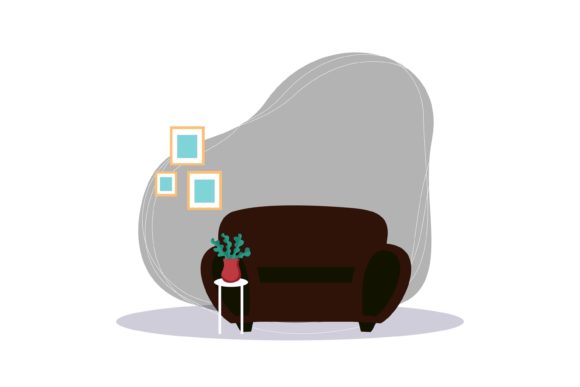
Living Room Design Decoration: A Graphics Freebie for Creative Sellers
As an experienced digital product creator, I’ve reviewed countless design assets over the years. Some are just okay—functional but forgettable. Others feel like a missed opportunity or lack the clarity needed for commercial use. That’s why I was eager to test Living Room Design Decoration, especially since it’s positioned as a free graphic design asset with multiple file formats and high resolution. Here's my honest take on whether this one is worth adding to your creative toolkit.
First Impressions: Style and Niche Appeal
The first thing that stands out about Living Room Design Decoration is its visual personality. The design carries a warm, inviting aesthetic that immediately suggests home décor, interior styling, and cozy living spaces. It doesn’t scream bold or edgy—it leans more into elegance and comfort. This makes it perfect for audiences who appreciate modern yet approachable style, such as lifestyle bloggers, interior designers, or small businesses in the handmade and homeware niches.
I can already see this working well for sellers targeting home-based or wellness-focused markets. It feels like something you’d find in a curated boutique rather than a generic template store. The color palette is soft and balanced, making it adaptable for both bright and muted branding schemes. If you're aiming for a premium look without sacrificing accessibility, this design could be a good fit.
Testing Across Products: Real-World Use Cases
To evaluate how versatile Living Room Design Decoration really is, I tested it across several common sellable products:
- Printable Wall Art: The high-resolution PNGs and vector files made it easy to scale up for large prints. It looks clean and crisp when printed at full size.
- SVG Products (Tumblers, Mugs): The design translated well onto tumbler wraps and mug graphics. Its layered elements allowed for some depth while still being manageable in Cricut or Silhouette software.
- Canva Templates: When applied to social media posts or blog headers, the design added a decorative touch without overwhelming the layout. It works especially well when paired with minimalist text overlays.
- Planner Stickers and Greeting Cards: The intricate details were a bit too much for tiny stickers, so simplifying the design or using only select elements would be necessary. But for cards or larger stickers, it adds charm and visual interest.
- Sublimation Projects: I overlaid the design onto a sublimation mockup of a throw pillow and coffee cup. The results looked professional and cohesive, which is great for print-on-demand shops.
- Brand Identity Elements: While not a logo itself, the pattern and motif can be used as background elements for packaging designs or website banners, helping maintain brand consistency across platforms.
What impressed me most was the variety of file types included. Receiving this design in AI, EPS, SVG, and DXF formats means it can be adapted for almost any project—from vector editing to laser cutting. And with a canvas size of 3000px x 2000px, there's enough room to experiment without worrying about pixelation or stretching.
Product Presentation: Building Buyer Confidence
In online selling, especially on marketplaces like Etsy or Creative Fabrica, the way you present your design matters more than ever. Living Room Design Decoration has strong potential for creating visually appealing thumbnails and product previews.
When previewed as a large product mockup, it gives off a premium vibe—perfect for showing off what buyers can expect from your printable wall art or greeting card templates. However, when scaled down for thumbnails, the detail can get lost unless you isolate key elements. A smart strategy here is to create multiple versions: one full-size version for detailed views and another simplified version for thumbnails and listings.
For design bundles, this asset shines. It pairs well with other related designs to form a cohesive living room-themed collection. Think of including it alongside sofa patterns, plant illustrations, or window frame cliparts. These kinds of themed bundles help increase perceived value and encourage bulk purchases.
Where This Design Works Best
Living Room Design Decoration is ideal for the following scenarios:
- Large Product Previews: Its high resolution and intricate layout make it visually engaging at bigger sizes.
- Themed Bundles: Whether you’re creating seasonal collections or focusing on specific aesthetics (like Scandinavian or bohemian), this design fits right in.
- Decorative Layouts: Use it as a background or overlay in Canva templates for blogs, Instagram stories, or promotional content.
- Printable Merchandise: Especially effective for posters, calendars, or even nursery prints where a decorative element enhances the overall appeal.
- Social Media Promos: When used subtly in banners or headers, it adds a personal, handcrafted touch that aligns with small business branding efforts.
Use With Caution: Potential Pitfalls
While the design has a lot going for it, there are areas where you’ll want to tread carefully:
- Tiny Sticker Details: The complexity of the design might cause issues when downsized. Test how it looks on small surfaces before offering it as a sticker bundle.
- Low-Resolution Prints: If you're planning to use it on lower-quality materials or smaller canvases, ensure the file is optimized for those specs.
- Crowded Thumbnails: As mentioned earlier, the design can become cluttered when shown at small sizes. Isolate key components or simplify the layout for better listing performance.
- Dark Backgrounds: The contrast between the design and darker tones may reduce readability. Always preview it against your intended background colors.
- Text-Heavy Templates: Avoid placing dense text over the design. Let it serve as a backdrop or accent instead.
- Cutting Precision Needs: If you're using it for Cricut or Silhouette projects, double-check the SVG cut paths. Not all vector files translate perfectly to die-cutting machines.
Practical Seller Tips: Before You Publish
If you're considering using Living Room Design Decoration in your shop or print-on-demand offerings, here are a few steps I recommend taking before publishing:
- Test on Mockups: Apply the design to real-life product mockups—wall art, mugs, tote bags—to see how it performs visually.
- Check Thumbnail Appeal: Resize the image to the dimensions of your marketplace thumbnails and assess legibility and click-through potential.
- Preview on Different Backgrounds: Make sure it reads clearly on both white and dark backgrounds. Adjust opacity or layering if needed.
- Verify Print Colors: Use a print simulator or send a sample to a local printer to confirm that the colors match expectations.
- Inspect File Resolution: Confirm the PNGs are truly 300 DPI and the vectors are clean and scalable.
- Organize Files for Customers: Since it includes six digital files, provide clear instructions or a folder structure to help customers navigate them easily.
- Font Pairing Suggestions: Play around with different typography styles—serif for elegance, sans-serif for clarity, script or handwritten fonts for a personal touch. Display fonts work best for headlines.
- Confirm Commercial Licensing: Always check the license terms before selling finished products. Some freebies come with restrictions that limit their use in certain contexts.
Final Thoughts for Digital Sellers
Living Room Design Decoration isn't a one-size-fits-all graphic design asset, but it does offer a lot of flexibility for those in the home décor, lifestyle, or print-on-demand niches. Its elegant style and adaptability across formats make it a solid addition to a designer's portfolio of digital assets.
However, like any design, it requires thoughtful application. Don’t assume it will work perfectly across every product type. Take the time to test it, tweak it, and understand how it behaves under different conditions. This kind of preparation pays off in customer satisfaction and higher conversion rates.
If you're looking to elevate your digital downloads or add a refined touch to your product lineup, consider giving this freebie a try. Just remember: the goal isn’t to use every inch of the design, but to let it enhance your work in a way that feels intentional and professional.