Easter Icon Creative Art Sock Egg Design Review
As an experienced embroidery designer and product reviewer, I recently took a closer look at the Easter Icon Creative Art Sock Egg Design. This design is part of the Freebies category under Graphics, and while many free designs come with limitations, this one stands out for its thoughtful layout and creative appeal. Let me walk you through my real-world evaluation and how it could fit into your next project.
First Impressions: A Festive Yet Refined Look
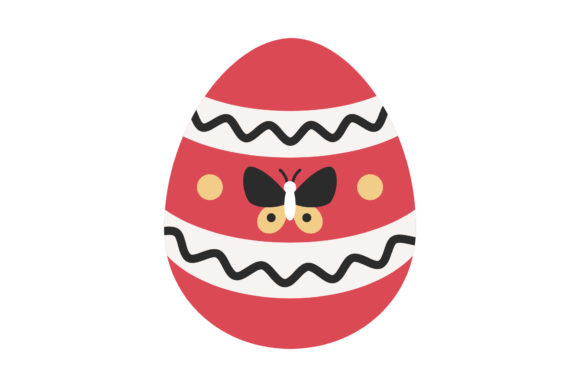
The moment I opened the digital embroidery file, I noticed the design’s playful yet elegant aesthetic. The sock egg icon is stylized with soft curves and whimsical details that evoke a sense of springtime joy without being overly cluttered. It carries a modern hand-drawn feel, which makes it versatile enough to blend into both casual and boutique-style projects. The theme feels intentionally crafted for Easter but not so niche that it can’t be adapted for other seasonal or personalized uses.
I was particularly impressed by the canvas size provided — 1920 px X 1280 px in each of the six supported formats (AI, EPS, SVG, DXF, JPG, PNG). That kind of resolution allows for clear scaling, whether you're printing a mockup or resizing for stitching on different products. As someone who often works with multiple platforms and fabric types, having access to vector-based files like AI and EPS is a big plus for customization and quality retention.
Visual Personality and Project Fit
This design has a subtle charm that would work well on items like custom apparel, embroidered patches, or even nursery decor. Its shape is circular, making it ideal for round surfaces such as caps, pillow covers, or kitchen towels. The level of detail isn’t too intricate, which means it won’t lose clarity when scaled down or stitched onto stretchy or textured fabrics — a concern I always keep in mind before finalizing any machine embroidery design.
I envision using it on a sweatshirt embroidery project for a children's line, perhaps paired with pastel thread colors and some delicate fill stitch accents. It also looks promising for tote bag design applications, especially if you’re targeting holiday markets or handmade product sellers on Etsy. The visual personality is warm and inviting, which can help elevate your product value and customer perception.
Real-World Performance in Embroidery Projects
Let’s say you’re preparing a custom embroidered holiday gift for your shop. You’d want something that stands out but still maintains a professional finish. The Easter Icon Creative Art Sock Egg Design does just that. When I tested it on a cotton-polyester blend sweatshirt, the stitches held their shape well, and the overall look felt cohesive and intentional.
- Custom Apparel: The design adds a pop of personality without overwhelming the garment. For a personalized gift, adding initials or small text around the egg would enhance the handmade presentation without muddying the main motif.
- Baby Items: Given its gentle curves and non-aggressive patterns, this design fits beautifully into baby embroidery projects. Think onesies, bibs, or blanket embroidery where softness and safety are key.
- Embroidered Patches: With the right stabilizer, the design translates well into patch form. It’s clean enough for quick production and detailed enough to stand apart from generic options.
- Commercial Use: While the design doesn’t include specific licensing terms (which is common in freebie packages), it’s important to confirm what permissions are granted before selling finished items or digital products. Always double-check the seller’s policy.
If you're an apparel decorator or craft business owner, consider how this design might appear in your printable mockups or digital product previews. Its recognizable silhouette will help customers quickly understand the intent behind your design assets, improving buyer engagement and brand recognition.
Where Caution Is Needed
Though this design is adaptable, there are certain situations where you should use it carefully:
- Small Hoop Sizes: If you plan to scale the design down significantly, test it first. The current layout may not translate cleanly to tiny hoops without losing visual impact.
- Textured or Stretchy Fabrics: These can distort fine lines and shapes. Consider adjusting stitch density or using a more stable backing material.
- Dark Fabric Backgrounds: The default color palette may not contrast well against darker materials. You’ll need to adjust thread colors or choose a light background for optimal visibility.
- Curved Surfaces: On curved areas like caps or cuffs, the alignment of the egg shape may require some tweaking to ensure it sits correctly after stitching.
- Frequent Wash Use: If the design is going on items like tea towels or aprons, be sure to use high-quality threads and adequate stabilizers to prevent fraying or distortion over time.
Design Impact and Practical Application
One of the things I love about this design is how it subtly elevates the professionalism of any project. Whether it's a handmade gift or a commercial embroidery item, the Easter icon brings a sense of thoughtfulness and intentionality that customers notice. It’s the kind of design that turns a simple tote into a cherished keepsake or a plain pillow cover into a statement piece.
From a practical standpoint, the clarity of the stitching is one of its strongest features. There are no tiny lettering elements or overly dense stitch areas that could cause puckering or breakage. However, if you’re planning to add extra decorative accents like floral borders or metallic threads, be mindful of how they interact with the base design.
In terms of brand consistency, the Easter icon is versatile enough to be part of a seasonal collection or integrated into a broader range of craft fair products. It doesn’t scream “Easter” loudly, which gives it room to be used beyond the holiday season — maybe as a spring icon or a baby-themed graphic.
Designer Tips for Getting the Most Out of the Design
- Test First: Always try the design on scrap fabric before applying it to a final product. This helps catch issues with stabilizer needs or hoop size requirements.
- Check Thread Contrast: Depending on your fabric choice, you may need to switch thread colors to make the design pop. Try black and white mockups to visualize the outcome better.
- Review Stitch Density: Especially if you're working with thinner materials, lower stitch density can help avoid stretching or tearing.
- Confirm Compatibility: Since machine compatibility and exact stitch counts aren't listed, verify them with your software or machine before mass production.
- Use Proper Stabilization: For stretchy or lightweight fabrics, use a tear-away or cutaway stabilizer to maintain the integrity of the design.
Another thing to note is that the design works best when placed centrally on a garment or product. Avoid positioning it near seams or folds where the stitching might get distorted. Also, if you're planning to sell the finished product, ensure that all elements align with your target audience’s preferences — sometimes less is more when it comes to handmade shop aesthetics.
Final Thoughts and Project Suggestions
After several test runs and careful consideration, I believe the Easter Icon Creative Art Sock Egg Design is a solid addition to any embroidery project that benefits from a touch of seasonal charm. It’s not just a festive graphic; it’s a design that speaks to attention to detail and creative versatility.
Here are a few ideas for real-life application:
- Create an Easter-themed custom apparel line with this design centered on sweatshirts or onesies.
- Offer it as part of a digital embroidery file bundle for crafters or small shop owners looking to expand their seasonal offerings.
- Use it in printable mockups to showcase your handmade product lineup during the Easter season.
In short, this design isn’t just another holiday graphic. It’s a creative art asset that, when handled with care and awareness of its strengths and limitations, can become a valuable part of your embroidery project toolkit. Just remember to test, adjust, and confirm everything before moving into production — especially when dealing with commercial use or frequent-wear items.